


According to the companies, NOV03 consistently met primary endpoints for the signs and symptoms of dry eye disease linked with Meibomian gland dysfunction. A PDUFA data is set for June 28.
According to the companies, NOV03 consistently met primary endpoints for the signs and symptoms of dry eye disease linked with Meibomian gland dysfunction. A PDUFA data is set for June 28.
There have been 8 reported patients with vision loss as well as 4 reports of enucleation, or surgical removal of eyeball.

Medicare reimbursements for complex cataract surgery are far lower than a simpler form of the surgery.

Maternal pregnancy-related smoking was measured using key metrics: Provider or self-reported smoking during pregnancy and cotinine and hydroxycotinine in neonatal blood.

According to the company, it is the first approval in the world for allogeneic cell therapy to treat corneal endothelial disease.

On this week's episode of the NeuroOp Guru video blog, Andy Lee, MD, and Elizabeth Fortin, MD, discuss unilateral isolated paucisymptomatic optic disc edema and what exactly it is.

BRIO-I is a double-masked, randomized, multi-center, safety and efficacy study that enrolled emmetropic phakic and pseudophakic presbyopic subjects.

Procedure offers sharp contrast to cutting procedures without risk, pain, or drama.


Physicians making sense of the cornea transplant alphabet soup.

Lessons learned from a pilot will inform future collaborative work between the ADA and Genentech to improve health equity in eye care for people living with diabetes.

Researchers are using a new, highly versatile form of CRISPR-based genome editing with the potential to correct a wide variety of disease-causing genetic mutations.

Medical student’s vision was threatened by keratoconus, and early diagnosis and treatment could prove to be key to preserving the patient’s vision.

Hurdles include limited space, handling thin sclera, choosing the right site.


PBM treatment showed a statistically significant slowing of disease progression in patients with early to intermediate dry AMD.
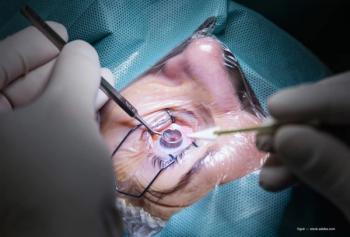
Procedure integrates femto, phaco in one instrument to address issues.

If approved, OCS-01 has the potential to become the first once-daily, topical, preservative-free corticosteroid for treating inflammation and pain following ocular surgery.

To support congressional action, 135 health organizations – including the American Academy of Ophthalmology – sent a letter to congressional leaders pointing out that a full inflation-based update is the primary solution to the ongoing problem with the Medicare Physician Fee Schedule.

According to court records, Paul Wade Wyatt continued to perform ophthalmic procedures in Utah after his license had been suspended in October 2016.

Kamran M. Riaz, MD, a clinical associate professor and director of Medical Student Research at the Dean A. McGee Institute at the University of Oklahoma, recently discussed with Ophthalmology Times some of the latest trends in cornea treatment.

Cognition plans to initiate the Phase 2 MAGNIFY trial of its oral drug candidate, CT1812 in 2023 in individuals with dry AMD who have measurable GA.

The company’s MINIject is the only commercially available MIGS implant targeting the supraciliary space.

Data for IG-002 show for the first time that a single subretinal administration of a DNA payload encoding the human ABCA4 gene resulted in durable expression of human ABCA4 protein.

Industry leaders view pegcetacoplan as most important retinal technology in 10 years.

While obesity has been associated with increased IOPs, the results to now have been inconclusive. Researchers investigated the IOP among groups with different combinations of obesity status and metabolic health status.

The company plans to advance AAV-based gene therapy candidates toward IND studies on encouraging animal proof of concept data in Stargardt disease, X-linked retinoschisis, and autosomal dominant optic atrophy.

The company has said it hopes to make the deals to be able to focus on its core areas.

Physician discusses preoperative assessments before procedure focusing on cornea.
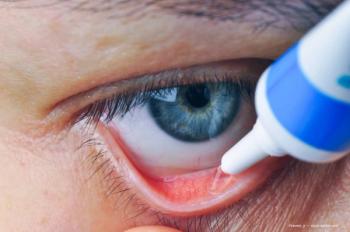
According to the company, in a clinical trial of chloroprocaine hydrochloride ophthalmic gel in patients undergoing routine cataract surgery, patients treated with the gel did not require any supplemental treatment to complete the intended surgical procedure.