





























Carl D. Regillo, MD, and Jennifer I. Lim, MD, review the regulatory oversight process regarding biosimilars after they have entered the market.


Unity Biotechnology announces positive data in phase 2 BEHOLD study of UBX1325 in patients with DME
Carl D. Regillo, MD, and Jennifer I. Lim, MD, review the regulatory oversight process regarding biosimilars after they have entered the market.

Carl D. Regillo, MD, and Jennifer I. Lim, MD, provide an overview of the development and clinical evaluation of biosimilar agents.

Retina indications for which ranibizumab-eqrn is interchangeable include neovascular (wet) age-related macular degeneration; macular edema following retinal vein occlusion; diabetic macular edema; diabetic retinopathy, and myopic choroidal neovascularization.

The discovery of molecular signatures of age-related macular degeneration will help with better diagnosis and treatment of this progressive eye disease.

The doctors will join the Cataract and Primary Eye Care, Glaucoma, and Retina Services.

Positive results from recent pre-clinical studies support the potential of long-acting PASylated nomacopan to advance toward IND/IMPD for clinical trials in geographic atrophy (GA) in dry age-related macular degeneration (dAMD), a disease with no approved treatments.

Nadia K. Waheed, MD, MPH, and David M. Brown, MD, discuss the future of intravitreal injections.

Expert ophthalmologists discuss absolute contraindications to intravitreal injections and how to manage patients with contraindications.


Treatment and reduces burden of care, providing a treatment option for patients diagnosed with diabetic macular edema.

According to the company, the study assesses the safety and tolerability of a single dose of CLS-AX administered to patients diagnosed with wet AMD by suprachoroidal injection.
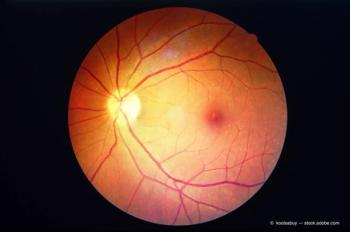
According to the company, new imaging options presenting opportunity for better outcomes for patients.

A novel computational platform developed by researchers from the University of Pittsburgh School of Medicine identifies top-performing viral vectors that could deliver gene therapies to the retina with maximum efficiency and precision.

According to the company, 6-month safety and efficacy data are expected in Q1 2023. MCO-010 gene therapy reprograms healthy retinal cells to make them photosensitive.
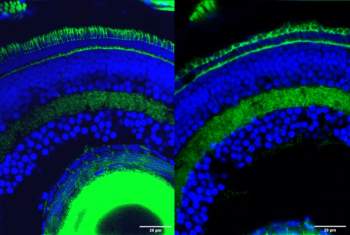
The findings could lead to a new understanding of unexplained causes of heritable retinal diseases.

LBS-008 is the company’s orally administered tablet for the treatment of Stargardt disease. There are currently no FDA approved treatments for Stargardt disease or dry AMD.
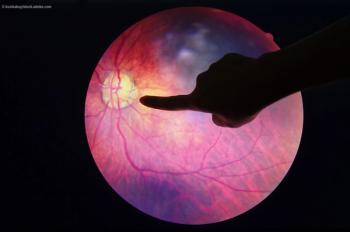
NIH-funded clinical trial finds that starting with a cheaper drug and switching to a more expensive drug as needed leads to good vision outcomes in diabetic macular edema.


Physicians use a new administration method to treat patients diagnosed with noninfectious uveitis.
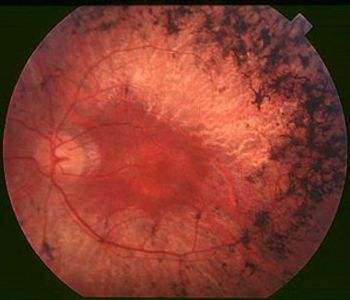
A team of scientists, led by Andrzej Foik, PhD, of the International Center for Translational Eye Research in Poland, is working on new therapies that may slow vision loss in patients diagnosed with retinal degeneration.

Nadia K. Waheed, MD, MPH, and David M. Brown, MD, provide expert advice on techniques to numb the eye before intravitreal injections.
Nadia K. Waheed, MD, MPH; and David M. Brown, MD, discuss barriers to step therapy and the impact of the COVID-19 pandemic on intravitreal injections.
Eyes of mice lacking protective protein show signs similar to age-related macular degeneration.

The ASRS See for a Lifetime See a Retina Specialist initiative will spotlight early detection and outline the importance of seeing a retina specialist.

According to the company, pegcetacoplan is an investigational, targeted C3 therapy for the treatment of geographic atrophy secondary to age-related macular degeneration.