


























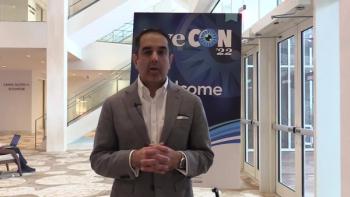
Rishi Singh, MD, of Cleveland Clinic Florida, touches upon the various advancements that are making a difference for clinicians and patients and reducing their progression in this disease state.


Study reveals the signaling cascade behind retina regeneration in zebrafish

Researchers offer expanded knowledge about development, progression of ROP
Rishi Singh, MD, of Cleveland Clinic Florida, touches upon the various advancements that are making a difference for clinicians and patients and reducing their progression in this disease state.
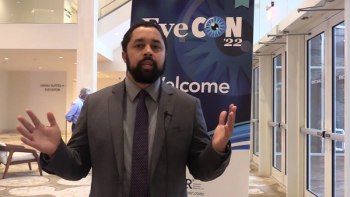
Julius Oatts, MD, covered a range of current considerations for retinopathy of prematurity (ROP), including the updated International Classification for ROP, clinical research, and some of the socioeconomic factors that affect ROP. Oatts is assistant professor and associate residency program director with the Department of Ophthalmology at the University of California, San Francisco.

According to researcher, the treatment offers improved retinal sensitivity, visual function, and mobility.
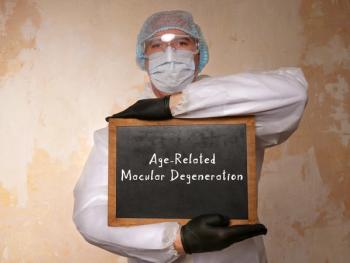
Ophthalmologist discusses the impact of getting older on patients diagnosed with the disease.

The results represent a major step towards first in-human clinical studies for this program - the first potential therapy for patients with geographic atrophy secondary to AMD that addresses the underlying causes of the disease.

Researchers from the Deutsches Zentrum für Neurodegenerative Erkrankungen and the Center for Regenerative Therapies Dresden at TU Dresden have found that visual cells in the human retina may not simply die in some diseases, but are mechanically transported out of the retina beforehand.
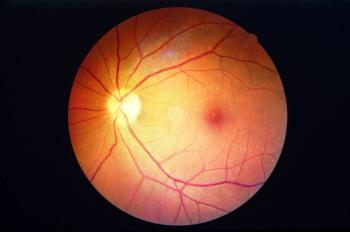
According to researchers, cells within retinal blood vessels are endowed with a previously unappreciated ability to acquire resistance against the damaging effects of hyperglycemia in patients with diabetes mellitus.

SPVN06 is a breakthrough gene therapy approach aimed at stopping or slowing disease progression in patients affected by IRDs and dry age-related macular degeneration (AMD), regardless of their genetic background.

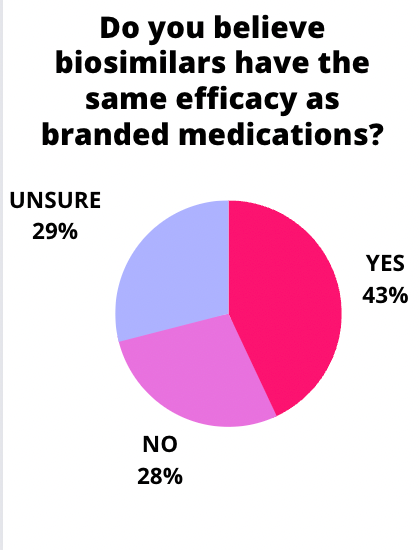
Weigh in on this month's survey question. The poll will be open until December 16, 2022.

In an effort to educate the public on GA, Prevent Blindness has created a variety of resources for patients in English and Spanish.
Despite the latest advances in anti-VEGF therapy, a small group of patients do not achieve improved vision. Ophthalmologists are looking for options.

LBS-008 is an orally administered tablet intended as an early intervention to slow disease progression in patients affected with Stargardt disease and dry age-related macular degeneration.
Diabetes can damage the eyes over time and cause vision loss, even blindness. Delaying the disease can also delay any onset of vision problems, including diabetic retinopathy and diabetic macular edema.

Mount Sinai study is the first to identify that heart attack, stroke and heart failure are linked to a specific type of age-related macular degeneration.

Ophthalmologists have learned to optimize their use of traditional anti-VEGF therapies and are now incorporating newer therapies like brolucizumab for managing retinal diseases, and in the not-so-distant future they can look forward to gaining familiarity with faricimab and using a new delivery system for ranibizumab.
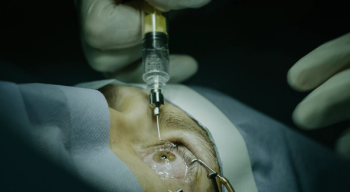
Several intravitreally injected anti-VEGF drugs are currently undergoing investigation.

According to the company, ROP Check builds upon its pediatric retina screening portfolio, adding digital management (schedule, document, bill, and transfer) for treating patients with retinopathy of prematurity.

The regulatory process is building confidence that the product is good and can be used safely.
The screening of diabetics for retinopathy has recently become reimbursable in the US, the company noted in its news release, and the approval comes after positive Phase 3 clinical trial earlier this year.
While the advent of anti-VEGF therapies resulted in substantially better outcomes in this patient population, the results can vary substantially among patients.

According to UC Davis researchers, more needs to be done for the field to reflect ethnic and racial diversity across the country.
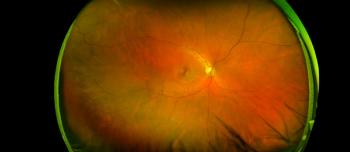
Mediwhale, an AI diagnostics company, aims for FDA approvals to increase non-invasive, early detection to save lives. Reti-Intelligence uses a simple fundus camera to capture images of the eye, and then within one minute the AI algorithm provides the disease risk assessment.
This December, the Ophthalmology Times® EyeCon 2022 at the JW Marriott Marco Island Beach Resort in Florida will provide attendees with an end-of-year opportunity to meet their continuing medical education requirements. This activity has been approved for 12.50 AMA PRA Category 1 Credits™.
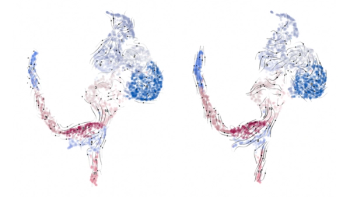
A new study of albino mice spotlights how the neural circuitry of vision is established, and how it can go wrong.

According to the company, the primary safety endpoint was achieved at all timepoints with all doses well-tolerated and no treatment-related our serious adverse events.