






Imaging
Latest News
Advertisement
Latest Videos


CME Content




















Advertisement
More News
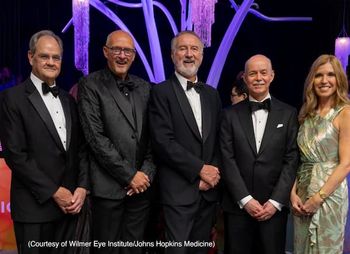
From Nobel laureates to AI-driven research, the Wilmer Eye Institute honors a century of transforming vision science and care.
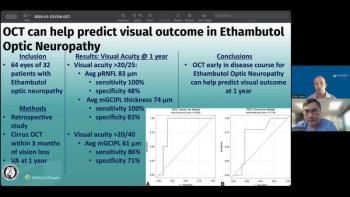
Andrew G. Lee, MD, and Drew Carey, MD, discuss how baseline optical coherence tomography parameters can help ophthalmologists counsel patients and make more informed decisions after ethambutol-associated optic neuropathy.
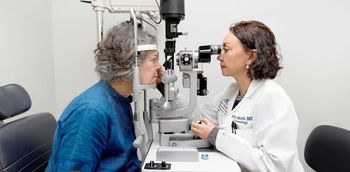
Q&A: Kira Manusis, MD, on how the Center for Refractive Solutions is redefining patient care at NYEE
As its director, Manusis outlines the facility’s role in delivering advanced, personalized solutions to improve vision and patient experience.
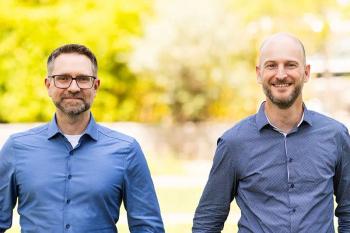
ZinserLab will focus on accelerating the development of imaging technologies in eye care.

With detailed imaging and cognitive data, the Northern Ireland Cohort for the Longitudinal Study of Aging highlights the potential of integrating eye scans into broader health research.

Optical coherence tomography markers—like the ellipsoid zone—are reshaping clinical trials in intermediate age-related macular degeneration, as highlighted at the 2025 International SPECTRALIS Symposium — And Beyond (ISS).

Advanced monitoring strategies are overcoming significant obstacles in retinal care, as highlighted at the 2025 International SPECTRALIS Symposium — And Beyond (ISS).

Fluorescence lifetime imaging ophthalmoscopy is emerging as a valuable tool to reveal previously hidden links between retinal changes and systemic disease.

The center aims to optimize patients' vision with a range of cataract and corneal refractive procedures and minimize reliance on glasses and contacts.

Deep learning discerns IIH, NAION, and normal eyes using single fundus image.
This noninvasive imaging tool reveals early brain pathology through the eye, promising faster and more accurate diagnoses as highlighted at the Heidelberg 2025 International SPECTRALIS Symposium – And Beyond (ISS).
Findings presented at the Heidelberg 2025 International SPECTRALIS Symposium — And Beyond (ISS) suggest detailed structural data could better inform therapeutic targeting and monitoring.

With 35+ lectures, a NASA keynote, and a river cruise through historic Heidelberg, this year’s symposium blends science and scenery
Jay Chhablani, MD, explains how 3D choroidal vessel segmentation transforms ophthalmology, enhancing disease diagnosis and treatment through advanced imaging technology.

Compensation techniques in swept-source optical coherence tomography angiography improve accuracy by correcting signal loss from drusen and other artifacts

Researchers introduce a multistage dual-branch network to improve accuracy and efficiency
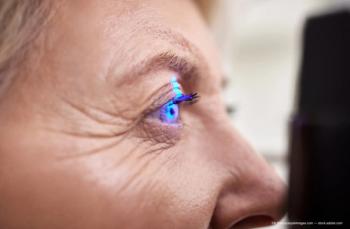
The company announced it has successfully started imaging patients with its first prototype of its device using both near-infrared and green modes.
Ophthalmologist offers insights into the value of technology in diabetic retinopathy.
The UK-based company will debut the tool, called Dr.Noon CVD, at two conferences in March.
The device recently received 510(k) clearance from the US Food and Drug Administration.

The Sentinel Camera aims to address critical gaps in retinal disease screening by offering a portable device that captures high-quality images that require no dilation of the eye.

The AI-READI project aims to establish fair, equitable, and ethical access to big data, enhancing artificial intelligence’s ability to diagnose systemic diseases and drive progress in ophthalmology research.

A look at the latest advances from flash photography to AI-driven OCT

With cases of syphilitic uveitis on the rise, recognizing its varied presentations—including optic disc edema, which may appear without other significant eye inflammation—is increasingly important for timely diagnosis and treatment.

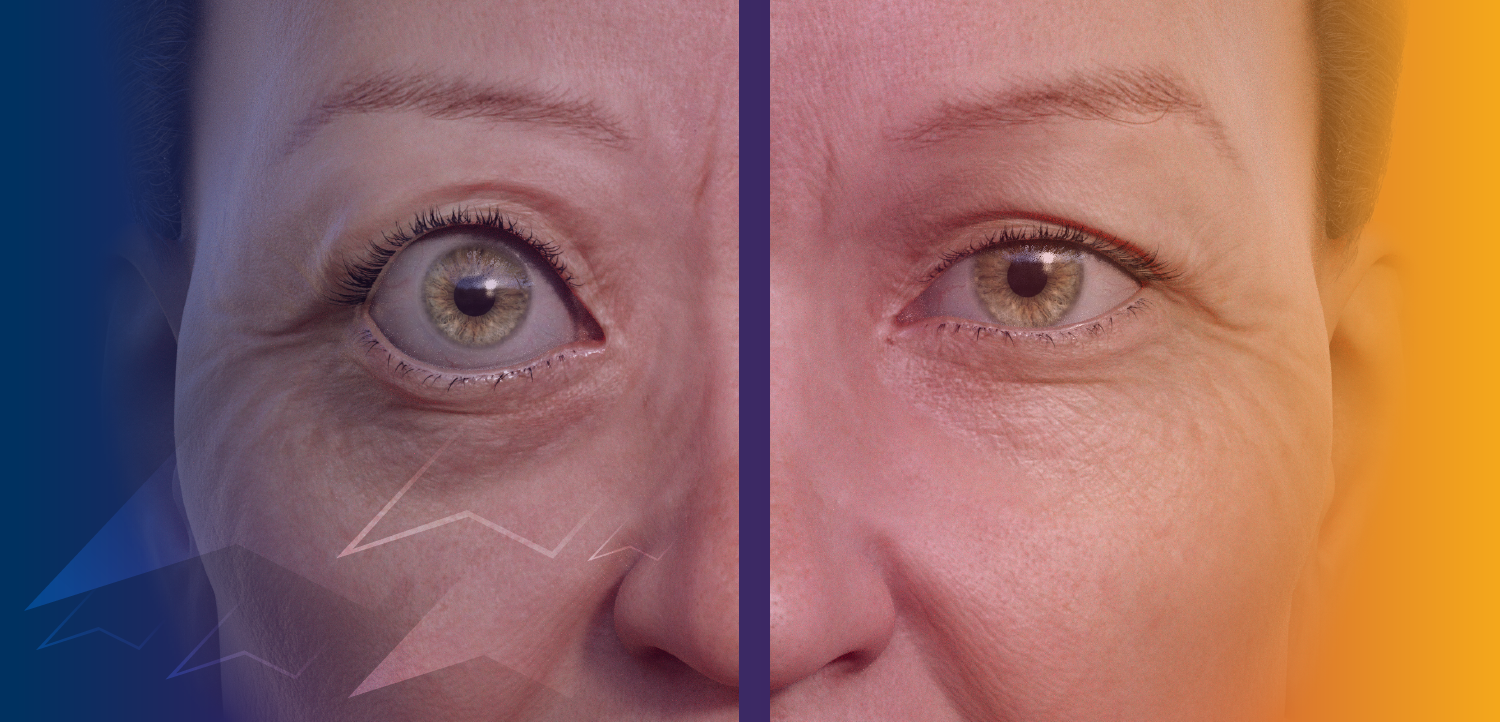
Hyaluronic acid fillers are used for undereye volume correction, detailing aging effects on facial anatomy, common complications, and optimal injection techniques. Imaging tools such as MRI can prove to be beneficial for patient assessment.
Advertisement
Advertisement
Trending on Ophthalmology Times - Clinical Insights for Eye Specialists
1
MeiraGTx Licenses complement-targeted geographic atrophy program from ZipBio
2
Metformin use associated with reduced incidence of intermediate AMD
3
Last year in glaucoma at EnVision Summit 2025
4
Looking back at the 2025 EnVision Summit
5