





Cornea
Latest News

Advertisement
Latest Videos

CME Content



















Advertisement
More News

Emmecell announced positive Phase 1 extension study results for EO2002, a nonsurgical cell therapy for corneal edema. The therapy improved vision, reduced central corneal thickness, and demonstrated strong safety, offering an alternative to corneal transplants.
Corneal confocal microscopy, semaglutide therapy offer treatment options
A study led by researchers at the University of Birmingham finds AI-powered models can match ophthalmologists in diagnosing infectious keratitis, offering promise for global eye care improvements.
John D. Sheppard, MD, MMSc, FACS, spoke with the Eye Care Network to provide some insight on post hoc analysis of the ESSENCE 1 trial dor dry eye disease.

According to OKYO Pharma, OK-101 is the first drug candidate to enroll patients specifically diagnosed with neuropathic corneal pain in a clinical trial. The Phase 2 trial is designed as a randomized, placebo-controlled, double-masked study to treat 48 NCP patients.
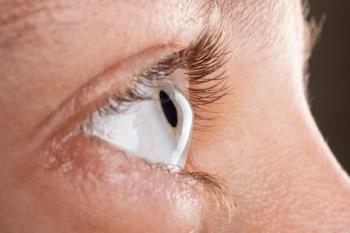
According to the company, in a confirmatory trial, Epioxa met pre-specified primary efficacy endpoint and exhibited positive tolerability and safety profiles through 12 months, supporting an anticipated NDA submission by the end of 2024.

A Norwegian study demonstrates that transplant rates continue to drop over time

The trial is assessing the safety and efficacy of EO2002 for the treatment of corneal edema.
In a study, a team of Chinese researchers looked at the mechanisms behind the development of EI and explored effective treatment options.

Vyznova is for the treatment of bullous keratopathy of the cornea, a sight-threatening and debilitating condition affecting the endothelial cells of the cornea.

TEPEZZA is the first and only medicine approved in Japan to treat active TED.

Ehsan Sadri, MD, FACS, of Visionary Eye Institute in Newport Beach, California, sat down with Professor Emeritus Colin R. Green, PhD, DSc, University of Auckland, in Auckland, New Zealand, to learn more about a novel therapy in development for the treatment of keratoconus and other corneal ectasias.

The new standard: Stabilizing keratoconus and improving vision.

Prevent Blindness is offering free resources to help educate the public and allied healthcare professionals on the many types of inflammatory eye diseases, and steps that should be taken to prevent vision loss.
Laura M. Periman, MD, shares her passion for dry eye disease, discussing her discovery of the Alpenglow Sign in Demodex blepharitis and her insights on research and education for clinicians. Periman will join the EyeCon 2024 faculty as Honorary Chair.

Results showed that patients who received veligrotug, an intravenously delivered anti-insulin-like growth factor-1 receptor (IGF-1R) antibody, had “statistically significant and clinically meaningful improvements across [multiple] key disease endpoints at the primary efficacy analysis timepoint of 15 weeks.”
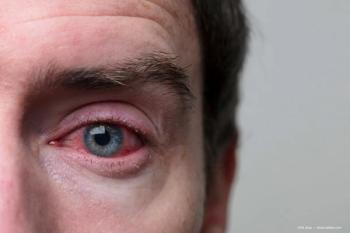
The team conducted a cross-sectional study from December 2016 to March 2024 in patients with acute infectious conjunctivitis
In this PER On Air Ophthalmology Times podcast, an expert panel discusses diagnosing TED and providing appropriate pharmacologic and surgical treatments.

In a study, Australian ophthalmology and optometry researcher and Beatles fan Professor Stephen Vincent has analyzed John Lennon’s little-known, hit-and-miss use of contact lenses in the 1960s and found the Rock and Roll Hall of Famer was probably right when he theorized that his cannabis use helped them stay in place.

Current Fuchs endothelial corneal dystrophy treatments include implanted cultured human endothelial cells.
Outgoing National Medical Association ophthalmology section chair Fasika Woreta, MD, discussed the Roman-Barnes Distinguished Lecture ahead of the NMA meeting.

As a medical student at the University of Miami Miller School of Medicine, Ashlyn Anzu Gary landed the unique opportunity to help launch an interdisciplinary clinical research program exploring hypnotherapy as a treatment for people with chronic eye pain.
Cochair Kelly K. Nichols, OD, PhD, MPH, FAAO, highlights her passion for dry eye research and the vital collaboration between ophthalmology and optometry at EyeCon.

The trial will evaluate VRDN-001, an intravenously delivered monoclonal antibody that acts as a full antagonist of the insulin-like growth factor-1 receptor (IGF-1R).

Investigators conducted a case-control study to investigate the corneal topography parameters and biomechanics in patients with alopecia areata
Advertisement
Advertisement