




















Seasonal and perennial allergic conjunctivitis are common conditions that are not always well-controlled with conventional therapy. Alternative approaches and novel investigational treatments are discussed.
Seasonal and perennial allergic conjunctivitis are common conditions that are not always well-controlled with conventional therapy. Alternative approaches and novel investigational treatments are discussed.
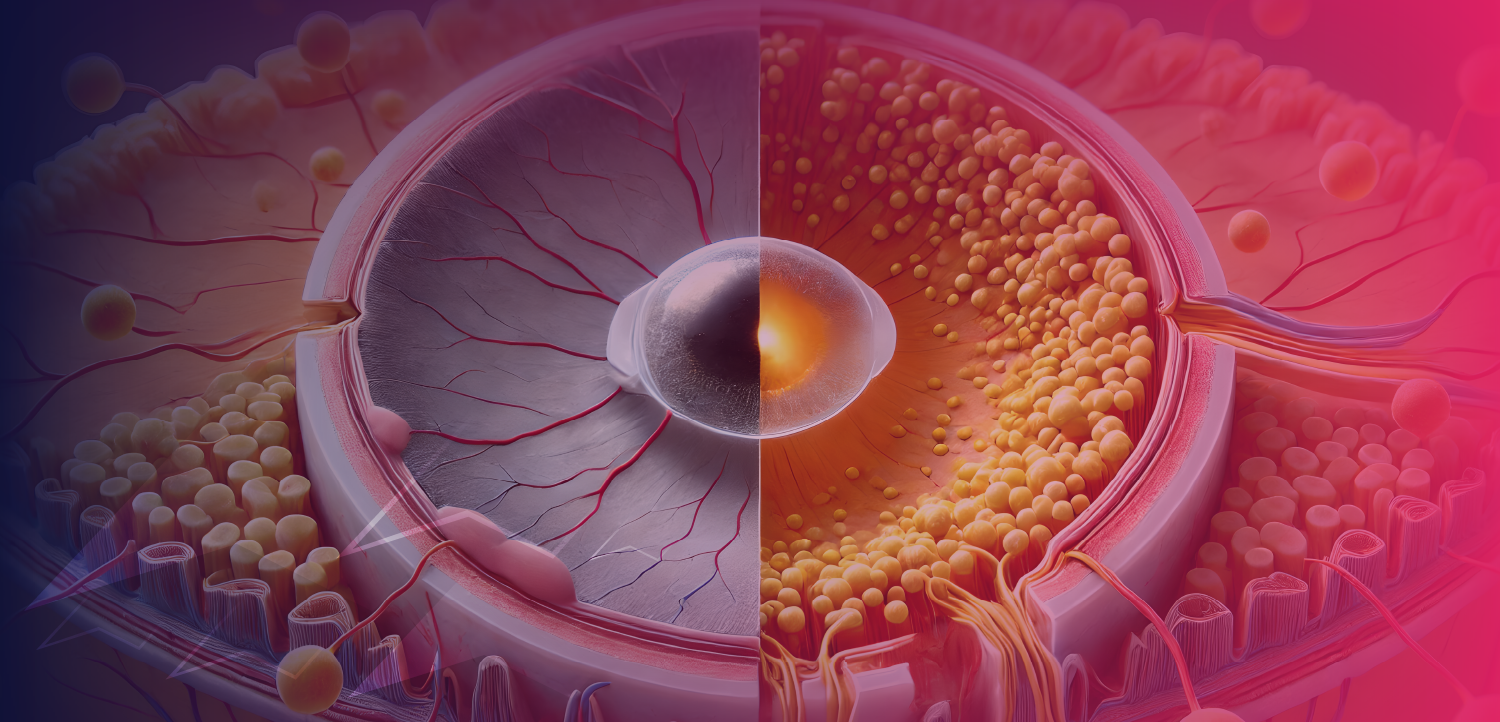
A phase I/II trial enrolling patients with Sjögrens syndrome dry eye will be investigating a synthetic fragment of a naturally occurring tear glycoprotein. Findings from extensive laboratory and preclinical research suggest that it is a promising novel therapy.
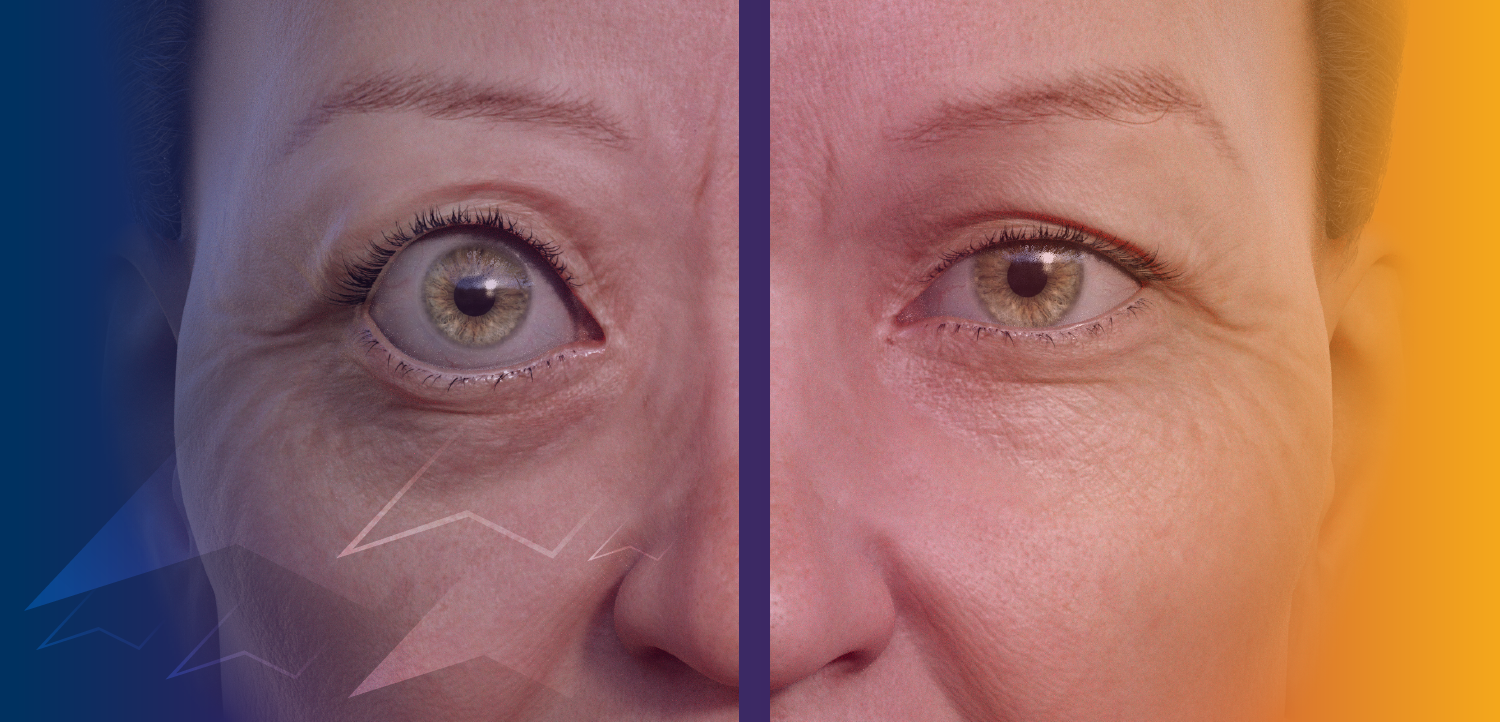
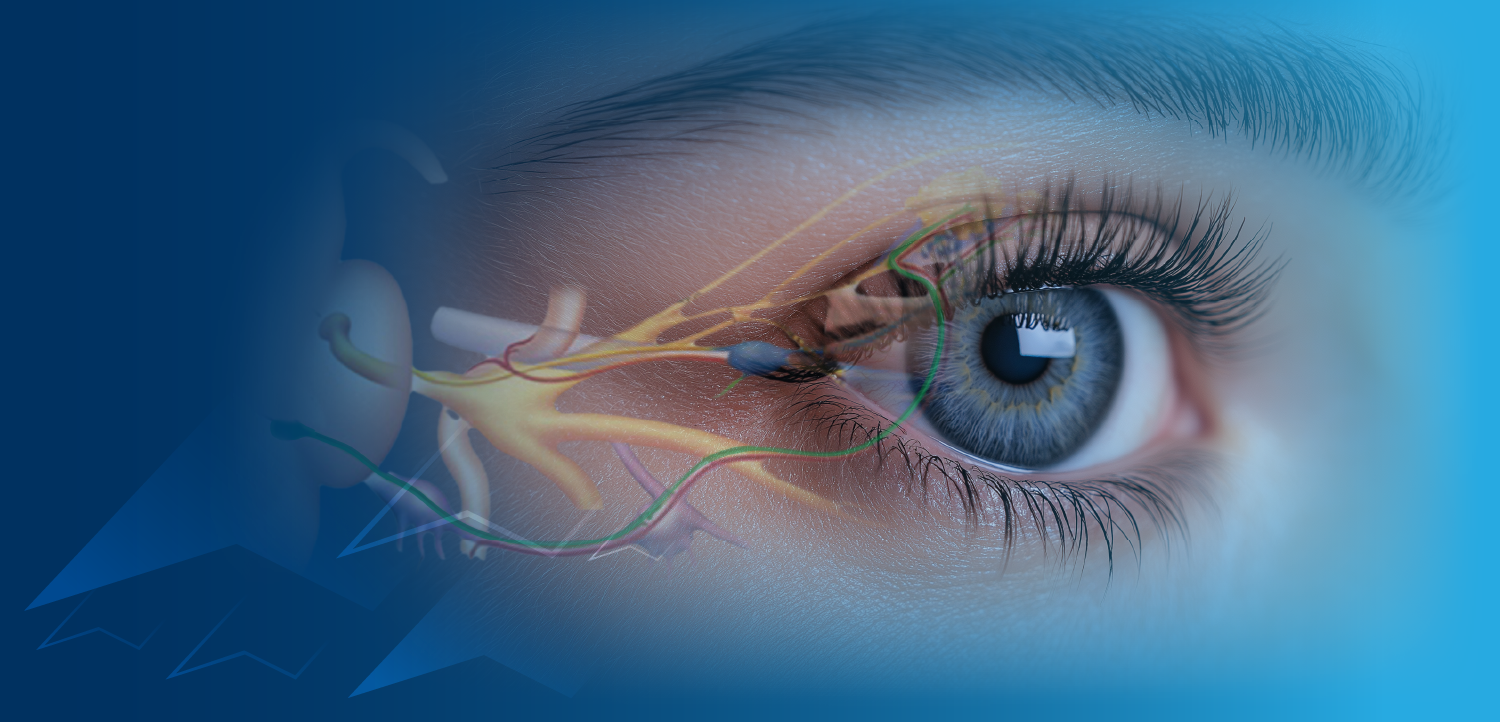
Chronic dry eye disease (DED) affects more than 25 million people and to date the only pharmacologic therapies are topical or involve punctal plugs. Results from two studies wth a neurostimulator indicate there may be a new pathway to upregulate the body’s tear system.
Using dysfunctional lens syndrome stages, physicians can discuss a range of treatment options with patients, based on clinical findings and refractive error.
In 2016, Vision Share eye banks provided more than half the supply of U.S. donor corneas with over 20,000 placements. It has worked to build the largest network of non-profit eye banks in the world, with 13 members and 20 eye banks in the United States and a vast network of providers at home and abroad.
Use of a handheld circular polarizing filter to intercept afferent and efferent light from a slit lamp or operating microscope highlights corneal structures that are otherwise invisible or barely seen.
Though much research is happening in the diagnosis and treatment of viral eye infections, much of it might not be readily apparent to clinicians, explains Todd P. Margolis, MD, PhD.
OSD is of significant concern in patients with glaucoma on multiple topical medications. Optimal treatment of this condition with minimizing the intensity as well as with additional pharmacologic treatments for OSD can improve visual acuity and compliance and result in better outcomes both medically and regarding patient satisfaction.
Having an awareness of current best practices-such as epidemiology, risk factors, signs and symptoms, and tests-can be key to identifying and treating corneal infections.
Topical cyclosporine may be useful for treating dry eyes associated with immunomodulatory agents like nivolumab, which markedly upregulate T cell activation. In caring for patients with ocular side effects associated with cancer treatment, the delivery of proper ophthalmic care is critical.
Here is your roundup of what made top news in 2016!
A 59-year-old otherwise healthy man presented with an acute-onset diffuse rash involving over 90% of his body surface area, including oral, genital, and ocular mucosal involvement. Initial ophthalmic examination was notable for development of extensive corneal epithelial defects in both eyes as well as conjunctival sloughing and pseudomembrane formation.
Photorefractive intrastromal cross-linking is being developed for non-invasive correction of low refractive errors.
Adding the corneal inlay into a general or refractive surgery practice can be a great benefit to patients and the practice when done correctly.
Tear osmolarity testing provides clinicians the opportunity to detect disease and select treatments to restore ocular surface health.
Analyses of data from 293 eyes undergoing uncomplicated Descemet membrane endothelial keratoplasty (DMEK) show that endothelial cell loss is greater in eyes that undergo a single re-bubbling for graft separation. The study, however, does not establish a causal association.
Results from the Phase 3 OPUS-3 trial provide evidence confirming a benefit of lifitegrast ophthalmic solution 5.0% (Xiidra, Shire) for significantly improving dry eye disease-related symptoms, as measured by Eye Dryness Score.
Under the best of circumstances-meaning when cataract surgery is performed in an eye with a normal cornea by expert hands and with use of an advanced IOL power calculation formula-the achieved refractive outcome will be more than 0.5 D off target in 1 out of every 11 eyes.
Treating ocular surface disease may have an impact on the effectiveness of glaucoma treatment. Inder Paul Singh, MD, offers some strategies used in practice.
Five-year results from a study of the Boston keratoprosthesis type 1 implant suggest that frozen and fresh corneal donors offer similar clinical outcomes-with no significant differences in device retention, visual rehabilitation or complication rates.
In order to avoid a public health crisis and keep up with increasing vision loss among the aging baby-boomer generation, correctable vision impairments must be eliminated by 2030, according to a report issued by the National Academies of Sciences, Engineering, and Medicine (NASEM).
An updated classification of corneal dystrophies will help clinicians with properly differentiating and naming the disorders.
On the heels of the recent FDA approval of corneal collagen crosslinking, some surgical pearls are provided for the treatment of progressive keratoconus and corneal ectasia.
Nepal’s Tilganga Institute of Ophthalmology has been working to build one of the most successful corneal donation programmes in the world.
A 110° reverse side cut primary incision created with a femtosecond laser provides an effective seal for potential wound leakage in a recent study.