

CMS is proposing to cut the Medicare conversion factor—the basic starting point for calculating Medicare payments—by 4.42% for CY2023.
CMS is proposing to cut the Medicare conversion factor—the basic starting point for calculating Medicare payments—by 4.42% for CY2023.

A team of investigators form Johns Hopkins Medicine say they’ve discovered that levels of a specific protein appears to help accurately predict whether people with the wet form of age-related macular degeneration may need lifelong, frequent eye injections to preserve vision or if they can be safely weaned off the treatments.

The 40th annual Scientific Meeting of the American Society of Retina Specialists is scheduled for July 13-16, 2022, in New York City, New York, United States.

NOV03 is an investigational treatment with a proposed indication of treating the signs and symptoms of dry eye disease associated with Meibomian gland dysfunction.

Foundation Fighting Blindness is a driving force in advancing retinal gene therapies into clinical trials.
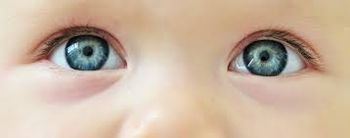
Researchers at the University of Bristol, as part of a 10-year follow-up study, found that severe “brain bleeds” experienced by some babies in the first year following their birth lead to long-term sight problems.

Kiora Pharmaceuticals announced it has enrolled the first patient as a part of a Phase 2 study evaluating KIO-201 topical eye drops in patients with PCED, a rare ocular surface condition characterized by non-healing wounds on the eye surface.
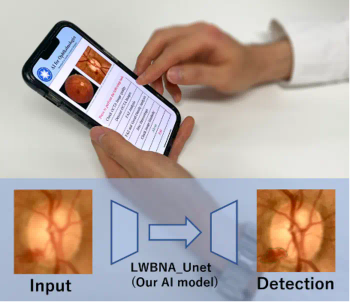
A new deep learning model that can identify disease-related features from images of eyes has been unveiled by a group of investigators from Tohoku University.

The lower energy applications and slower sweep speeds offer marked IOP reductions in patients.

A team of investigators at the Agency for Science, Technology and Research in Singapore have developed a bio-functional thermogel, a type of synthetic polymer, to prevent retinal scarring caused by failed retinal detachment repair surgery.

The 40th annual Scientific Meeting of the American Society of Retina Specialists is scheduled for July 13-16, 2022, in New York.

Data shows improvement after eye muscle surgery for lower spatial frequencies.

A team of investigators at Flinders University in Australia have found that a specific cell within the retina appears to be particularly good at housing Ebola and other viruses.

The procedure ensures the removal of cortical remnants, capsular fibrosis during cataract surgery.

Using a cloud-based digital health option can save time during surgery.
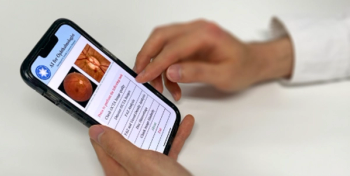
A new deep learning model that can identify disease-related features from images of eyes has been unveiled by a group of investigators from Tohoku University.

The organization hopes to increase awareness and education of a condition that affects vision, mental health.

Investigators show the effectiveness of Home-OCT based remote monitoring model.
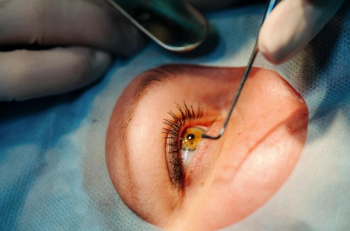
ASCRS, AAO behind year-long drive for policy change, with Aetna dropping its requirement on July 1 for pre-authorization for cataract surgery, covering patients in 48 of 50 states.
David Brown, MD, highlights his ASRS poster that includes 44-week data for a four-times-higher dose of aflibercept in a real-world setting.
OCS-01 is being reviewed for the treatment of inflammation and pain after cataract surgery, with the potential to become the first once-daily, topical and preservative-free corticosteroid for treating inflammation and pain following ocular surgery.

Rahul Khurana, MD, shares a preview of his ASRS poster based on an analysis of the second year of the VIEW 1 and VIEW 2 studies comparing aflibercept and ranibizumab treatment arms.
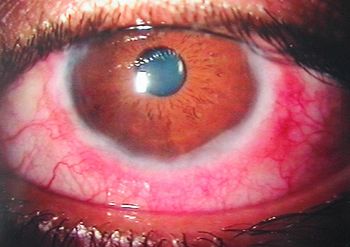
Ophthalmologists should look past the eyes in patients presenting with a persistent ocular allergic response and be mindful of accompanying nasal symptoms.

A team of investigators from the Yong Loo Lin School of Medicine at the National University of Singapore has found that there is a bidirectional association between chronic kidney disease and glaucoma.
The FDA has accepted the supplemental Biologics License Application of aflibercept injection for review in patients with diabetic retinopathy.

According to the company, the primary outcome of the MGT009 study is safety, and botaretigene sparoparvovec treatment was found to be generally safe and well-tolerated.

According to the company, the primary outcome of the MGT009 study is safety, and botaretigene sparoparvovec treatment was found to be generally safe and well-tolerated.

The lower energy applications and slower sweep speeds offer marked IOP reductions in patients.

Survey respondents point to a perceived gap in treatments for uveitic macular edema, document interest in suprachoroidal drug delivery.
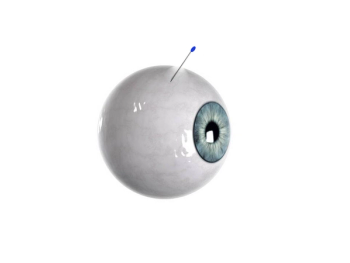
In a recent study, investigators found preclinical evidence that this innovative, biodegradable microneedle, dip-coated with a therapeutic drug for release upon insertion into the eyeball, can also be equipped with a special hydrogel that simultaneously seals off the insertion hole.