





Imaging
Latest News
Advertisement
Latest Videos



CME Content














Advertisement
More News

Combining imaging and patient symptoms improves assessment of disease progression.
AAO 2025 revealed that true-color widefield imaging, AI-powered home OCT, and refined FAERS analyses are collectively transforming retinal diagnostics into a more precise, continuous, and safety-aware system.

Anat Loewenstein, MD, discusses the transformative impact of home OCT and AI on monitoring retinal diseases at AAO 2025.

Surgeons reflect on milestones that have redefined patient care—and share a glimpse of the advances that promise to shape the next era of eye health.

Deborah A. Ferrington, PhD, highlights how breakthroughs in imaging, AI, and stem cell research are reshaping ophthalmology.

The AAO 2025 meeting offered a platform for companies to showcase their latest technologies to advance ophthalmic patient care.
As ophthalmic technologies move at supersonic speed, AI and gene therapy take center stage.
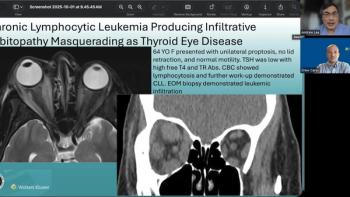
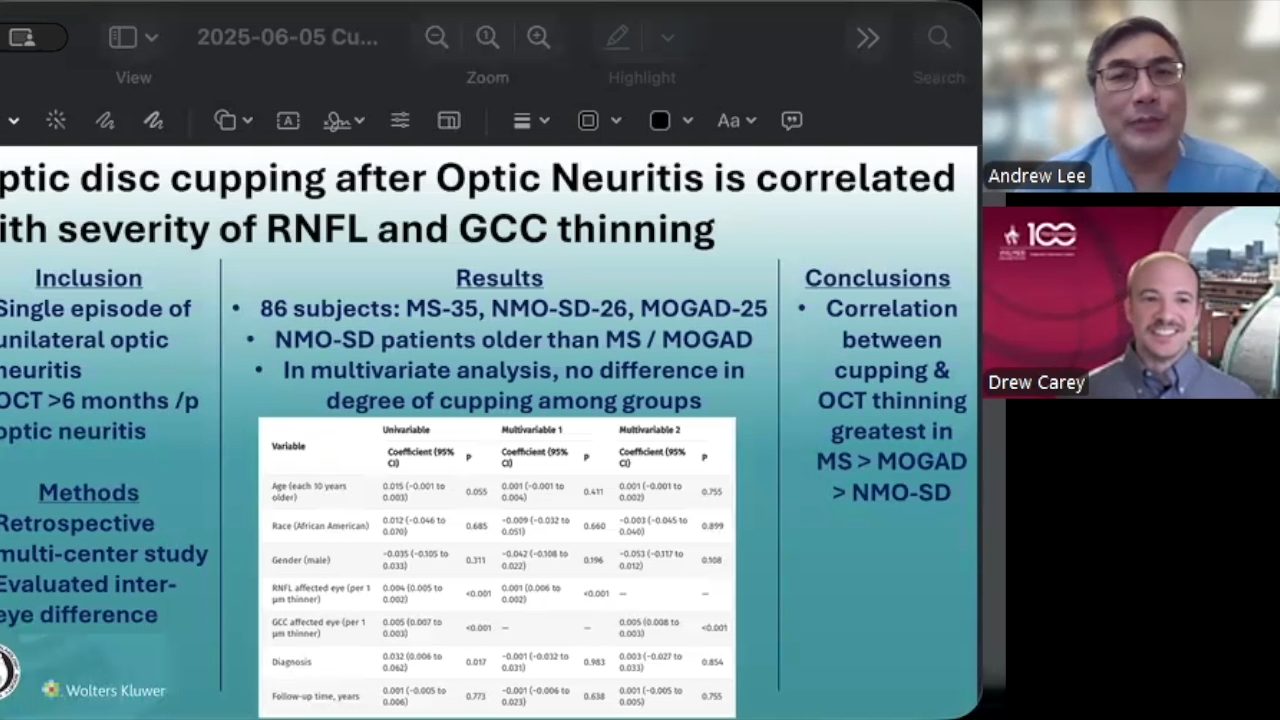
Andrew G. Lee, MD, and Drew Carey, MD, highlight how chronic lymphocytic leukemia can mimic Graves’ orbitopathy, underscoring the importance of a thorough evaluation.
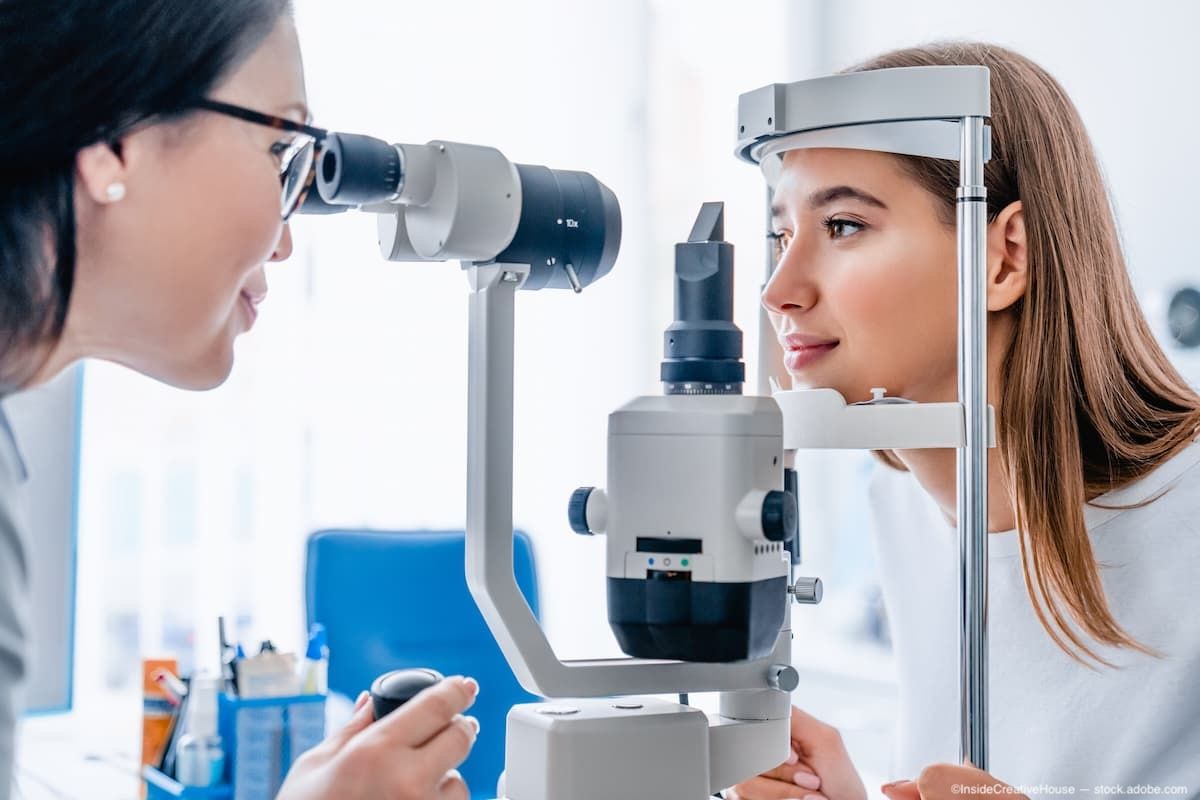
Explore how digital image management and AI transform ophthalmology, enhancing diagnostics and personalizing patient care in retina practices.

Subramanian discusses how subtle retinal and optic nerve findings can point to underlying neurologic disease.
The future of diabetic retinal imaging will be impacted by the use of widefield OCT-A technology, enhancing diagnosis and monitoring while addressing current limitations.

OCT-A angiography can help reveal early neurodegenerative disease signs, offering a non-invasive method for identifying high-risk patients through retinal analysis.

Recapping the Heidelberg Engineering International SPECTRALIS Symposium—and Beyond.
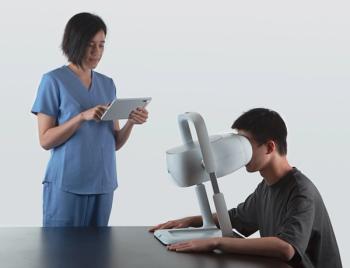

Advanced imaging and awareness of systemic risk factors are essential.
Ophthalmology celebrates 50 years of groundbreaking innovations, highlighting anti-VEGF therapies, OCT imaging, and future advancements in eye care.
Integrating IRIS technologies will allow Topcon to improve retinal disease diagnostics and referrals from primary care providers.

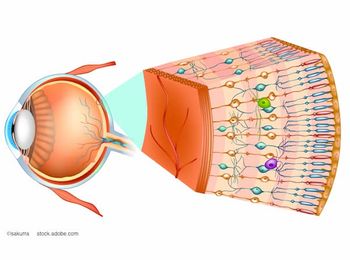
At the 2025 International SPECTRALIS Symposium—And Beyond (ISS), Chauhan discussed how two-photon microscopy enables precise, non-invasive monitoring of retinal ganglion cell function in living subjects.
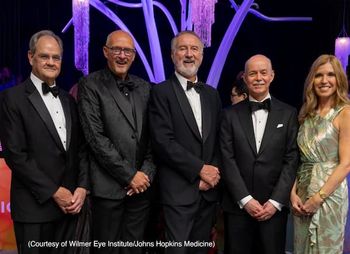
From Nobel laureates to AI-driven research, the Wilmer Eye Institute honors a century of transforming vision science and care.
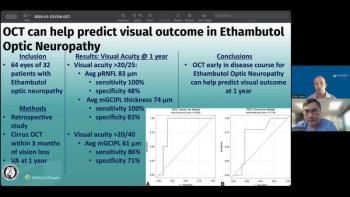
Andrew G. Lee, MD, and Drew Carey, MD, discuss how baseline optical coherence tomography parameters can help ophthalmologists counsel patients and make more informed decisions after ethambutol-associated optic neuropathy.
Advertisement
Advertisement